Fighting the Ticketmaster War

Updated: May 18
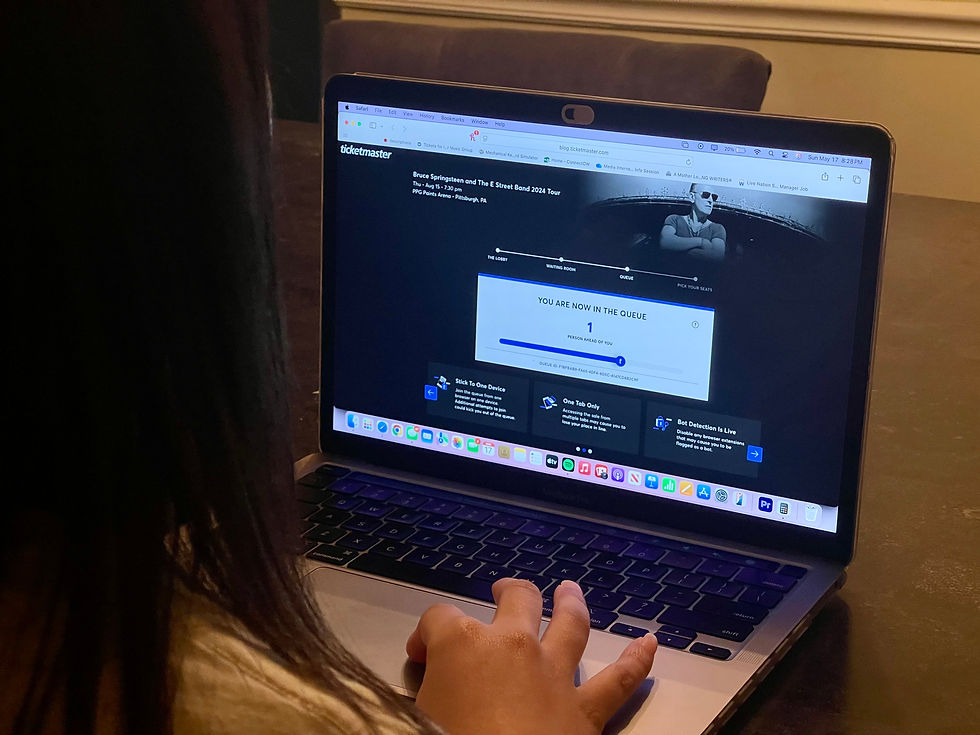
Pay next month’s rent or go see your favorite artist in concert? With the way ticket prices have skyrocketed in the past couple of years, this has become a real question that live music lovers are facing. Fans across the world have expressed their outrage for the prices being charged for tickets to Harry Styles’ upcoming “Together Together Tour.” One VIP pit ticket was over one thousand dollars.
VIP tickets used to mean a guaranteed front row seat, soundcheck and Q&A access, exclusive merchandise, and a meet & greet with the artist accompanied by a one-on-one photo opportunity. Even with all of this included, the prices were still cheaper than some regular tickets today. For comparison, Justin Bieber’s VIP Meet & Greet tickets for his Believe Tour in 2013 were priced at about $650.
Today, VIP packages have slowly begun eliminating any sort of fan-artist interaction – the main reason fans hoped to secure a VIP package in the first place. Despite the decrease in value, the prices have surged.
In 2026, VIP tickets tend to equal early entry into the venue where you’ll be given the opportunity to buy merchandise ahead of most attendees. This early entry also gives ticketholders in the standing pit section, a chance to be in the first couple of rows. Most times it also includes exclusive merchandise and the occasional VIP lounge. The total for these tickets ranges between $500 - $1000 depending on varying factors like artist popularity, seat selection, VIP tier, etc.
Prices are one thing, but they won’t matter unless you are able to make it through “the Ticketmaster war.” This term has been coined to express the pressure and anxiety that comes with buying concert tickets. For more popular artists, the queue can reach over a hundred thousand people waiting to get in and secure seats.
To avoid chaos, pre-sales are put in place. Fans can sign up through the artist’s website ahead of time to receive a unique code that gives them early access to tickets. Spotify also offers Ticketmaster codes to top listeners.
“In theory pre-sales are great, but in practice when presales are easy to join and the access codes being the same for everyone, it makes them useless in the age of social media where people can just post the code,” said 20-year-old Vi Panchalingam.
When asked about her most recent experience buying concert tickets to Bruno Mars’ 2026 “The Romantic Stadium Tour,” Panchalingam said, “I had been on Ticketmaster for hours because I didn’t want to risk not getting tickets.”
Pre-sales have been taken over by bots, buying hundreds of tickets at once to be resold for three times the original price. This has led to even less opportunities to attend your favorite artist in concert.
Wailin Wong reported on NPR that “Ticketmaster controls 80% or more of the major concert venues' primary ticketing market, but it also allows customers to resell tickets on its platform. In September, the FTC [The Federal Trade Commission] sued the company. It said Ticketmaster was coordinating with resellers and profiting from the sale of marked-up tickets.”
Panchalingam added, “The lack of regulation regarding resales leads to outrageous prices which leads to concerts being claimed as sold out while the venue is half empty.”
This hurts not only the fans, but also the artists who want their fans to be able to attend their shows.
Some singers like Olivia Dean, Billie Eilish, and Ariana Grande are putting their foot down to help real fans continue to attend their shows amidst this concert ticket crisis. Following the ticket sale of her “The Art of Loving Tour,” Olivia Dean publicly called out Ticketmaster via Instagram stories, stating, “you [Ticketmaster] are providing a disgusting service. The prices at which you’re allowing tickets to be re-sold is vile and completely against our wishes.” Ticketmaster then replied to Dean’s post, agreeing to cap the resale prices at face value.
Ariana Grande has done something similar. After having over one million people (and bots) in the queue for one of her Los Angeles dates to the “Eternal Sunshine Tour,” thousands of fans complained about the lack of tickets actually going into the hands of fans. A vast majority of the tickets are currently being resold for outrageous amounts of money. In some cities, resale tickets for the nosebleeds are being sold for $800 the cheapest.
Grande witnessed the uproar from her fans and quickly acted. She and her team had Ticketmaster cancel purchases made by scalpers and then set up a lottery system. Fans were then able to request tickets to one show of their choice in the section of their choice. If selected, the fans instantly had their debit/credit cards charged, and the tickets they received were non-refundable or transferable to prevent resellers.
According to USA Today, Ticketmaster and its parent company, Live Nation, are currently facing legal trouble due to claims that have been running an illegal monopoly.
In a recent statement, New York State Attorney General, Letitia James, said, “For far too long, Live Nation and Ticketmaster have taken advantage of fans and artists by raising prices for tickets and stifling any competition that threatened their power.”
A class action lawsuit has been filed against Live Nation and the date for the trial is set for July 6, 2027. If you live in the U.S. and have purchased a primary ticket (non-resale ticket) at any point since 2010 from Ticketmaster, or another one of Live Nation's affiliated entities, for a show at a “major concert venue” such as Madison Square Garden, you may want to check your email to see if you could be owed compensation.

Comments